Assoc. Prof. Dr. Serhat Mutlu · Assoc. Prof. Dr. Harun MutluOrthopedics and Traumatology Specialist
Knee Osteoarthritis and Knee Replacement
Total knee replacement involves replacing the damaged surfaces of the knee joint with prostheses made of metal and plastic. During the surgery, damaged cartilage and bone tissues are removed, and prosthetic components are placed in their place. The purpose of this prosthesis is to restore natural movement to the knee joint.
Who Is It For?
Total knee replacement surgery is generally recommended in the following situations:
Advanced Osteoarthritis: When the cartilage covering the knee joint is worn down, causing severe knee pain.
Rheumatoid Arthritis: An inflammatory joint disease that occurs when the immune system attacks joint tissues.
Post-Traumatic Joint Damage: Damage to the knee joint following serious injuries or fractures.
Chronic Knee Pain and Restricted Movement: For patients who experience long-term knee pain and functional loss that cannot be relieved by other treatment methods.
How Is Total Knee Replacement Surgery Performed?
The surgery is performed under general or spinal anesthesia. The surgeon makes an incision in the knee joint to remove the damaged joint surfaces. Then, prosthetic components made of metal and plastic are placed on the bone surfaces. These prosthetics are specially designed to provide joint lubrication and mimic the knee’s natural movement. The surgery generally takes 1-2 hours, and patients usually stay in the hospital for a few days.
Recovery Process
The recovery process after surgery may vary depending on the patient’s age, general health, and the specifics of the surgery. In general, the recovery process includes the following stages:
1. Physical Therapy: Regular physical therapy sessions are conducted after surgery to increase knee joint mobility and strengthen the muscles. Early mobilization is critical to ensuring the prosthesis is properly positioned.
2. Pain Management: Pain is controlled with painkillers during the post-operative period. Cold compresses may also be applied to the knee to reduce swelling.
3. Full Recovery: Patients typically start walking unassisted within the first few weeks after surgery. However, complete recovery and full functionality of the prosthesis can take between 6 months and 1 year.
Advantages of Total Knee Replacement
Total knee replacement surgery significantly improves patients’ quality of life. Its main advantages include:
Pain Reduction: Knee pain is greatly reduced as joint damage is addressed.
Better Mobility: After surgery, patients can walk more comfortably and return to daily activities.
Long-Term Solution: With proper care, total knee prostheses can last for 15-20 years without problems.
Associate Professors Dr. Serhat Mutlu and Dr. Harun Mutlu are orthopedic surgeons specializing in knee replacement surgeries. Both doctors aim to improve the quality of life for their patients by using modern and most effective surgical techniques in treating knee joint diseases.
Conclusion
Total knee replacement surgery is a successful surgical method for treating serious damage to the knee joint. If knee pain is affecting your quality of life and other treatment methods have not been effective, you can consult Associate Professors Dr. Serhat Mutlu and Dr. Harun Mutlu to learn more about total knee replacement surgery.
Hip Osteoarthritis (Coxarthrosis)
Hip osteoarthritis, medically known as coxarthrosis, is a degenerative joint disease characterized by the gradual wearing away of the cartilage that cushions the hip joint. As the cartilage deteriorates, the bones begin to rub against each other, leading to pain, stiffness, and limited mobility. While hip osteoarthritis commonly develops with aging, certain risk factors can cause it to appear earlier in life.
Causes of Hip Osteoarthritis
The most common causes of hip osteoarthritis include: Aging: Advancing age increases the risk of cartilage degeneration and subsequent osteoarthritis. Genetic Factors: A family history of hip osteoarthritis raises an individual’s risk. Trauma: Injuries, fractures, or dislocations of the hip joint can contribute to later development of osteoarthritis. Obesity: Excess body weight adds stress to the hip joint, accelerating cartilage wear. Developmental Dysplasia of the Hip: Untreated hip dysplasia in infancy can lead to early-onset osteoarthritis. Rheumatoid Arthritis: Autoimmune attacks on the joints can result in cartilage damage.
Symptoms of Hip Osteoarthritis
Hip osteoarthritis is a gradually progressing disease, and its symptoms worsen over time. The most common symptoms are: Pain in the hip, especially after movement or prolonged inactivity Stiffness and reduced range of motion in the hip joint Difficulty walking and limping Trouble climbing stairs or standing up from a seated position Leg length discrepancy Pain persisting even at restDiagnosis of Hip OsteoarthritisAssociate Professors Harun Mutlu and Serhat Mutlu emphasize the importance of thorough physical examination and imaging in diagnosing hip osteoarthritis. The diagnostic process includes: Physical Examination: Assessing gait, range of motion, and pain levels. Radiological Assessment: X-rays to identify joint space narrowing, bone spurs, and deformities. MRI or CT Scans: For detailed evaluation of cartilage, ligaments, and soft tissues.Treatment Options for Hip OsteoarthritisTreatment depends on the severity of symptoms and may include both non-surgical (conservative) and surgical approaches.
1. Non-Surgical (Conservative) Treatments
In the early stages, the following methods can help manage pain and improve mobility: Medications: Pain relievers (acetaminophen, NSAIDs) and cartilage-protecting supplements (glucosamine, chondroitin sulfate) may be recommended. Physical Therapy and Exercise: Strengthening exercises for hip muscles can reduce joint stress and alleviate pain. Weight Management: Losing excess weight helps decrease the load on the hip joint, potentially slowing disease progression. PRP and Hyaluronic Acid Injections: Intra-articular injections can provide pain relief for some patients. Use of Cane or Walker: To assist with daily activities and reduce joint strain.
2. Surgical Treatments
When the disease progresses and significantly impairs quality of life, surgery becomes a viable option. Hip Replacement (Total Hip Arthroplasty): Replacing the damaged hip joint with an artificial implant relieves pain and restores function. Osteotomy: Cutting and realigning the bone to improve joint mechanics, often used in younger patients.Advice for Patients with Hip Osteoarthritis Exercise Regularly: Low-impact activities (swimming, cycling) are joint-friendly. Avoid Heavy Lifting: Minimize stress on the hip joint. Eat a Balanced Diet: Support joint health with nutrients like omega-3, vitamin D, and calcium. Follow Your Doctor’s Recommendations: Adhere to the guidance of orthopedic specialists like Associate Professors Harun Mutlu and Serhat Mutlu.
Conclusion
Hip osteoarthritis is a progressive condition, but with early diagnosis and appropriate treatment, it can be managed effectively. Associate Professors Harun Mutlu and Serhat Mutlu highlight the importance of personalized approaches in preserving hip joint health and treating osteoarthritis. If you’re experiencing hip pain, stiffness, or difficulty in movement, it’s crucial to consult an orthopedic specialist without delay.
The questions patients ask most often before and after knee and hip replacement surgery.
Causes of Knee Osteoarthritis
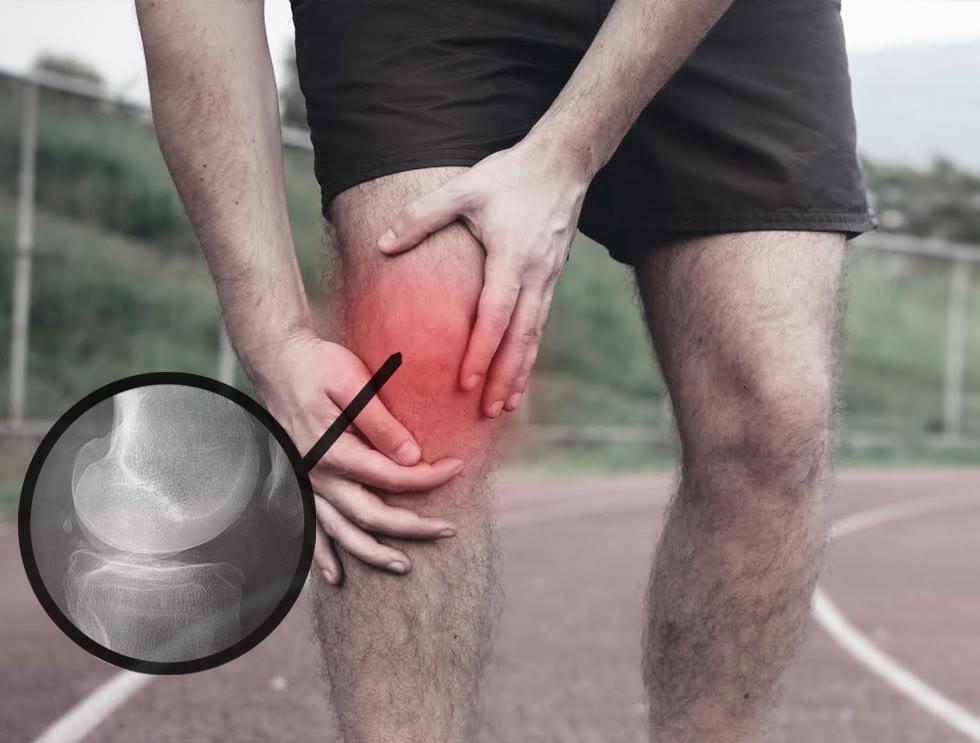
Knee osteoarthritis occurs as a result of the wear and tear of the cartilage structures in the knee. Factors such as genetic predisposition, excess weight, rheumatism, and trauma contribute to the deterioration of the cartilage.
When Should I Have Knee Replacement Surgery?
There are two important criteria for knee replacement surgery: 1. If the patient’s pain-free walking distance falls below 300 meters. 2. If nighttime pain progressively increases.
If I Lose Weight, Will My Knee Pain Go Away?
Since our knees bear the body’s weight, patients who lose weight often experience a reduction in pain.
Is Walking Beneficial for Osteoarthritis?
Walking can be beneficial, but walking for more than 45 minutes may do more harm than good. It is recommended to wear orthopedic shoes and walk on flat surfaces.
How Long Does Knee Replacement Surgery Take?
The surgical procedure itself takes between 45 minutes and 1 hour. Including preparation and recovery time in the operating room, the total duration is approximately 2 to 2.5 hours.
When Can I Walk After Surgery?
Patients are encouraged to walk the day after surgery.
When Can I Go Up and Down Stairs After Surgery?
Patients can start using stairs within one to two days after surgery.
How Long Will I Stay in the Hospital?
Patients are admitted to the hospital on the day of surgery and typically stay for 2-3 days.
Do I Need Physical Therapy After Surgery?
If the prescribed exercises are performed regularly, physical therapy may not be necessary. However, in overweight or elderly patients who are less active, physical therapy may be recommended.
My Neighbor Had This Surgery and Got Worse. Could the Same Happen to Me?
This is not a common situation. However, in patients who are severely overweight, very elderly, or have advanced osteoporosis, or if a fracture occurs during surgery, prolonged difficulty in walking may rarely occur.
Will My Pre-Surgery Pain Completely Disappear After the Operation?
Your pain will significantly decrease. As your body adapts to the prosthesis over time, you will eventually have a pain-free knee joint.
What Material Is the Knee Prosthesis Made Of?
It is made of cobalt-chrome and polyethylene infused with vitamin E.
How Long Does a Knee Prosthesis Last?
On average, it lasts for 25 years. However, this duration can vary depending on body weight and how the knee is used.
Do I Need to Lose Weight Before Knee Replacement Surgery?
Your height-to-weight ratio is important for surgery. Overweight patients are advised to lose weight. Maintaining an ideal weight after surgery is crucial for knee health and also extends the lifespan of the prosthesis.
If My Knee Prosthesis Gets Damaged, Can I Have Another Surgery?
Yes, you can. Revision surgeries performed by an experienced team have a high success rate.
Should I Have a Caregiver Stay with Me After Surgery?
Yes, it is recommended to have a caregiver stay with you during your hospital stay.
Is the Surgical Scar Large? How Are Dressings and Stitches Handled?
The incision is approximately 15 cm long. Since aesthetic stitches are used, there is no need for stitch removal. After discharge, dressings should be changed every three days.
What Time Will My Surgery Take Place?
Patients are usually admitted to the hospital early in the morning on the day of surgery, and the operation is performed 2–3 hours after admission.
When Can I Take a Shower?
After discharge, your surgical site will be covered with a special waterproof dressing, allowing you to shower as soon as you get home.
When Can I Drive?
Approximately 4–6 weeks after surgery.
Can Both Knees Be Operated on at the Same Time?
If the patient’s overall health condition is suitable, both knees can be replaced simultaneously.
Will I Need to Take Medication After Being Discharged?
Pain relievers and blood thinners will be prescribed. Your medication will be re-evaluated at your follow-up appointment two weeks later.
If I Need an MRI After Knee Replacement Surgery, Can I Have One?
The prosthetic material used is compatible with MRI machines, so you can safely undergo an MRI scan.
What Is Hip Replacement Surgery?
Hip replacement surgery involves removing the damaged joint surfaces and placing artificial components that will perform the function of the hip joint.
How Many Days Will I Stay in the Hospital After Hip Replacement Surgery?
On average, hospital stay after hip replacement is 2–3 days, depending on your overall condition and the surgical technique used. Our preferred tissue-respecting technique allows you to stand and walk on day 1, sit on the toilet and use stairs on day 2, and be discharged walking smoothly with a single crutch on day 3.
Can I Bear Weight on the Operated Side After Surgery?
In most cases full weight bearing is allowed immediately, but depending on the technique and implant your surgeon may ask you to walk with partial weight bearing for a period of time.
How Long Will I Need to Use Crutches After Surgery?
Crutch use is typically required for about 3–6 weeks. This duration may vary based on the surgical approach, the implant used, and your individual health.
What Materials Are Used in Hip Replacement?
To ensure durability and longevity, various metals have been combined with polyethylene and ceramic over the years. Your surgeon will select the most suitable materials for your case.
Why Does Hip Osteoarthritis Occur and What Happens in the Joint?
When inflammation occurs in the hip joint and persists, it leads to destruction (wear) of the cartilage. Cartilage cannot regenerate, so it thins and the underlying bone is exposed and rubs together. This irritates nerve endings, causing severe pain and creaking sounds. Over time movement becomes restricted and leg-length discrepancy may develop.
What Kind of Pain Do Patients with Hip Osteoarthritis Experience?
The main complaint is pain, usually felt in the groin and thigh, and sometimes on the inside of the knee. At first it worsens with activity (walking) and eases with rest. As the disease progresses, the pain-free walking distance shortens and night pain indicates end-stage disease.
Who Is Most Commonly Affected by Hip Osteoarthritis?
Genetics play a significant role in some forms. Other risk factors include prior trauma or accidents, excess weight, heavy labor, hip dislocation, leg-length discrepancy, and femoral head avascular necrosis—which itself can result from steroid use, hip fractures, blood disorders (e.g., sickle cell anemia), or heavy alcohol use.
How Is Hip Osteoarthritis Diagnosed?
A diagnosis is typically based on your history and physical exam, and is confirmed by X-ray. In some cases—such as early avascular necrosis—an MRI may be ordered for differential diagnosis.
Is There Medical Treatment for Hip Osteoarthritis?
Painkillers can help in the early stages but are not curative. In advanced stages pain often persists despite medication, and chronic use may harm organs such as the stomach, kidneys, and liver.
What Is the Importance of Exercise in Hip Osteoarthritis?
Generally, fit individuals with no other joint issues and a normal weight tolerate osteoarthritis better and recover faster after surgery. However, exercise alone cannot prevent osteoarthritis.
Who Is a Candidate for Hip Replacement?
Hip replacement is recommended to relieve pain and improve quality of life. It should be considered if pain persists despite conservative treatments (medication, exercise, etc.), interferes with daily activities, disrupts sleep, or impacts social life.
When and at What Age Should Hip Replacement Be Performed?
The timing depends on your symptoms and lifestyle. If pain does not significantly affect you, surgery can be postponed. But if pain is present, it’s time to consider surgery. Although more common after age 60, hip replacement can be performed in younger patients when other options fail.
What Happens If Hip Osteoarthritis Is Not Surgically Treated?
The condition will not improve on its own and cannot be cured by pills or physical therapy. Pain worsens over time, leg-length differences and abnormal gait develop, pain may spread to the back and knees, and medications can cause organ damage. A timely surgery would have been much simpler.
How Is Hip Replacement Surgery Performed?
There are two main approaches: conventional (15–20 cm incision) and minimally invasive (smaller incision). The minimally invasive approach may reduce hospital stay and transfusion needs but can increase the risk of implant malposition, dislocation, periprosthetic fractures, and nerve injury due to limited visibility. The primary goal is pain-free function; cosmetic concerns are secondary.
What Is Surface Arthroplasty?
Surface arthroplasty is used in femoral head avascular necrosis when the socket (acetabulum) is unaffected. A metal implant is placed on the femoral head to create a new joint surface, preserving bone stock. Success rates are around 60–70 %, and it allows for future total hip replacement if needed.
How Successful Is Hip Replacement?
Long-term success rates are around 90 %. Most patients are pain-free, walk without crutches, and can perform low-impact activities.
Does a Hip Prosthesis Wear Out?
Like any body structure, a prosthesis has a lifespan. Depending on use, materials, and surgical quality, most hip implants last 20–25 years without issues.
What Happens When a Hip Prosthesis Wears Out?
A revision surgery replaces the old implant with a new one. Although more extensive than the primary operation, revision outcomes are generally good.
What Are the Risks of Hip Replacement Surgery?
No surgery is risk-free. Main risks include infection, blood clots (embolism), bleeding, anesthesia-related or medication-related complications, dislocation, implant loosening, and periprosthetic fractures. The overall complication rate is about 5 %, and most can be prevented with proper pre- and postoperative care (blood thinners, compression stockings, antibiotics, etc.).
Our Doctors
Assoc. Prof. Dr. Serhat Mutlu
Orthopedics and Traumatology Specialist
Assoc. Prof. Dr. Serhat Mutlu was born in 1977 in Istanbul. He received his medical education at Istanbul University Cerrahpaşa Medical Faculty between 1995-2001. In 1999, he worked at Walther Cancer Institute in the United States of America in the project involving gene and cancer research.
Assoc. Prof. Dr. Harun Mutlu was born in 1983 in Istanbul. He received his medical education at Istanbul University Cerrahpaşa Medical Faculty between 2001-2007. In 2007, he started his specialty training at Taksim Training and Research Hospital Orthopedics and Traumatology Clinic.